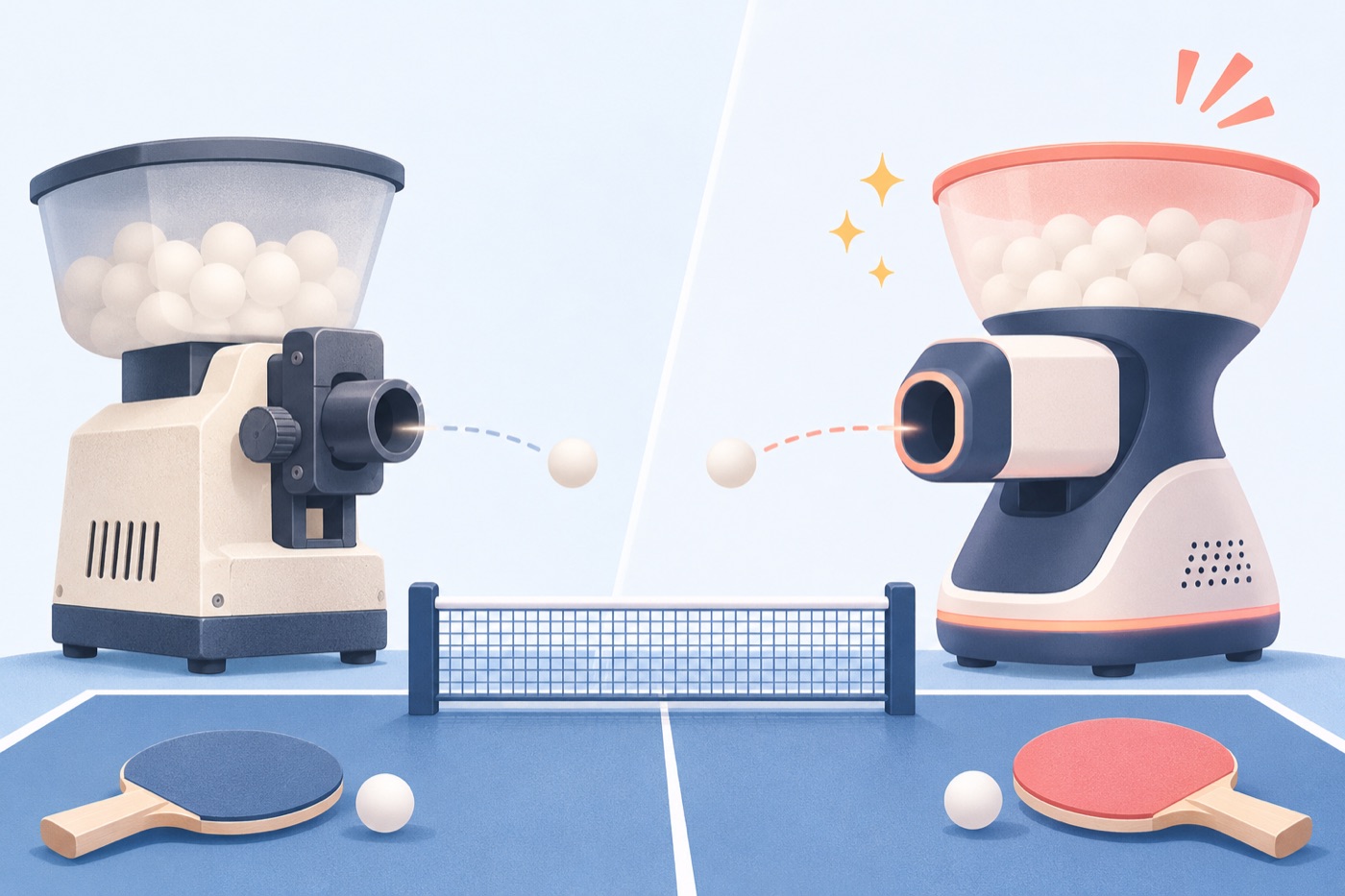
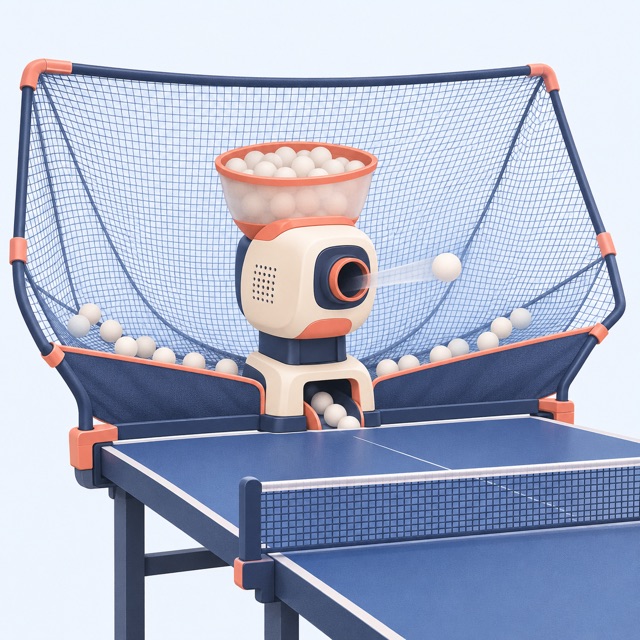
The Newgy Robo-Pong 2055 is the best robot for most home players. Serious about training? The Amicus Prime is worth it.
Quick picks
Short on time? Here are my favorites at a glance.
Side-by-side comparison
| Newgy Robo-Pong 2055 | 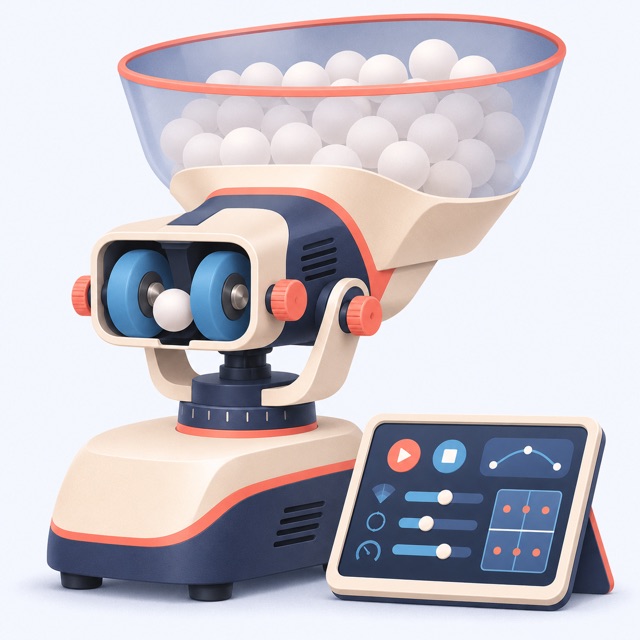 Butterfly Amicus Prime | 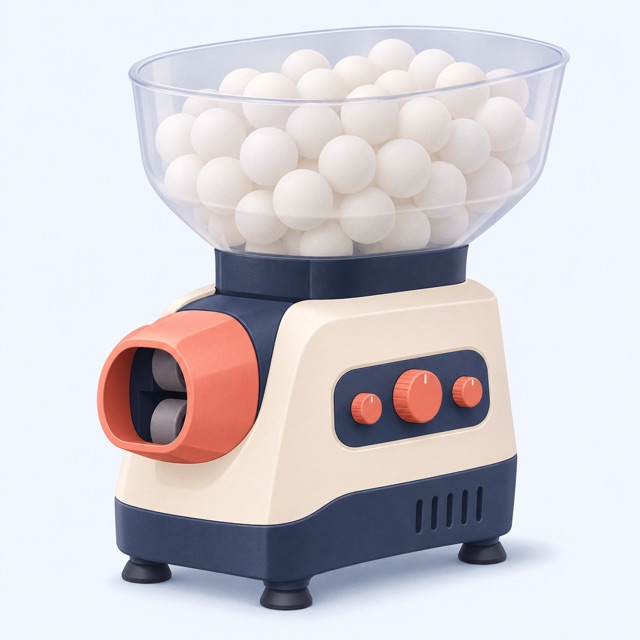 iPong V300 Training Robot | |
|---|---|---|---|
| Award | Best Overall | Best Advanced Robot | Best Budget |
| Rating | 4.6 | 4.7 | 4.1 |
| Best for | Players who want a reliable robot with ball recycling | Serious players who want programmable, realistic drills | Beginners and kids practicing basic strokes |
| Price | $$$ | $$$$ | $ |
| Features | 8.5 | 9.5 | 6.5 |
| Ease of use | 9.0 | 8.0 | 9.0 |
| Build | 8.5 | 9.5 | 7.0 |
| Value | 8.5 | 7.0 | 9.5 |
| Check price | Check price | Check price |
Scores are out of 10. The highlighted cell is the best in each row.
 #1
Newgy Robo-Pong 2055
Best for: Players who want a reliable robot with ball recycling · $$$
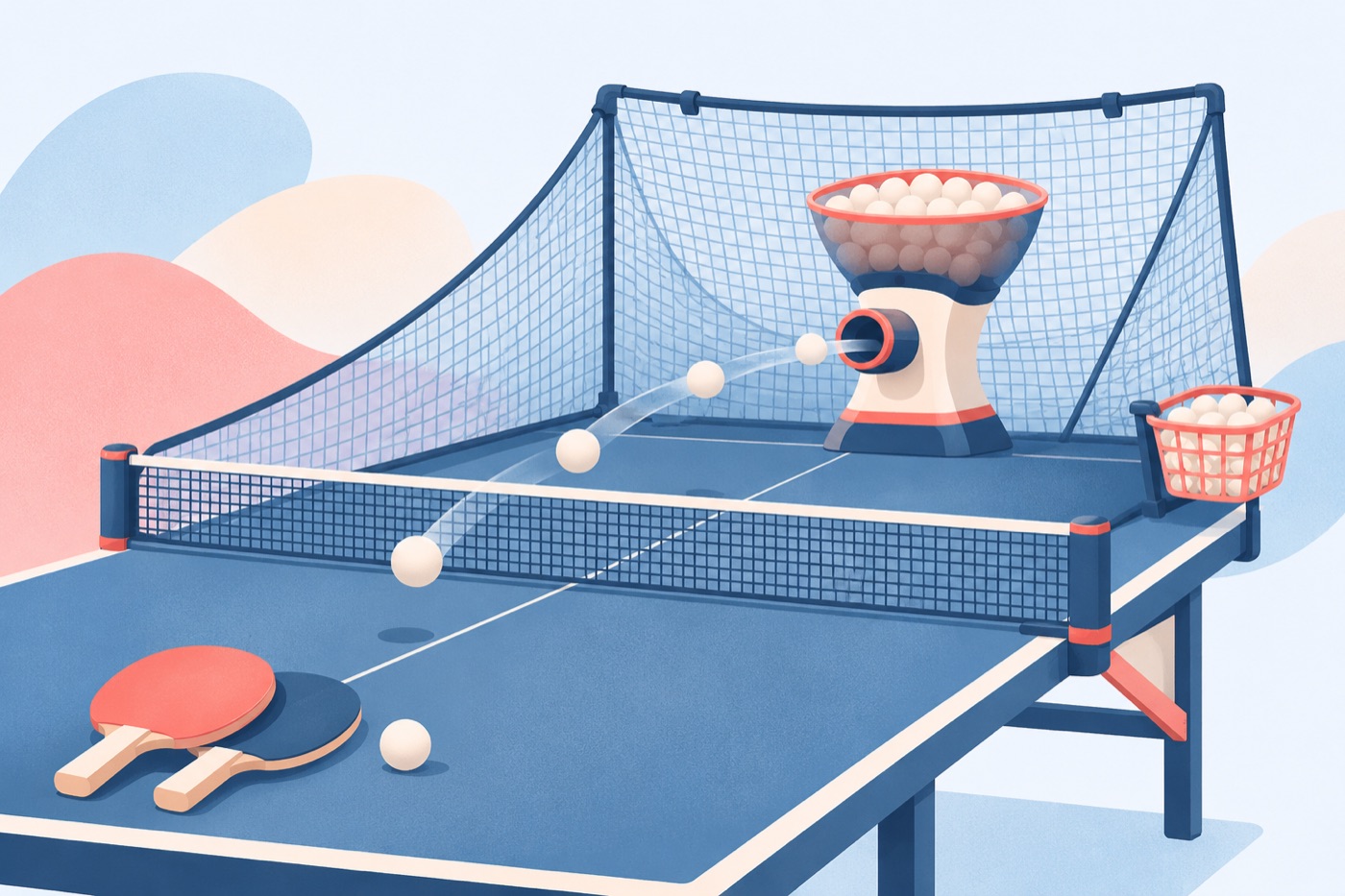
A long-time favorite with a net that catches and recycles balls, so you can drill longer without stopping to pick them up.
What I love
- Recycles balls automatically
- Adjustable spin and speed
- Proven, popular design
Keep in mind
- Takes some setup
- Not cheap
#2 Butterfly Amicus Prime
Best for: Serious players who want programmable, realistic drills · $$$$
A premium robot with programmable drills and realistic ball placement. It's the closest thing to a training partner who never gets tired.
What I love
- Highly programmable drills
- Realistic placement and spin
- Premium build
Keep in mind
- Very expensive
#3 iPong V300 Training Robot
Best for: Beginners and kids practicing basic strokes · $
An affordable way to practice consistency at home. It's simple to use and great for building rhythm on forehand and backhand.
What I love
- Affordable
- Easy to use
- Great for beginners
Keep in mind
- Limited spin and placement options
- No ball recycling
A ping pong robot is like having a practice partner who never gets tired, never complains and feeds the exact same ball a hundred times in a row. That’s exactly what you need to build solid strokes. As a coach, I love robots for players who don’t have a regular training partner. Here’s how to choose one.
Why train with a robot?
- Repetition. The fastest way to build good technique is hitting the same shot over and over.
- Consistency. A robot feeds the same speed, spin and placement every time, so you can focus on your stroke.
- Train anytime. No partner? No problem.
- Footwork drills. Oscillating robots move the ball side to side, so you can practice moving.
A robot won’t replace real games, because it can’t play tactics or change things up like a person. But it’s an amazing tool for building your foundation.
Features to look for
Spin and speed control
Better robots let you adjust topspin, backspin, sidespin and no-spin, plus the speed of each ball. This lets you practice against the shots you’ll actually see in games.
Oscillation
Oscillation means the robot sweeps the ball across the table. It’s essential for footwork practice.
Programmable drills
Advanced robots let you program sequences, like “one to the backhand, one to the forehand, then a short ball.” This feels much more like a real rally.
Ball recycling (catch net)
A catch net collects your returns and feeds them back into the robot. Without it, you’ll spend half your session picking up balls.
Ball capacity
A bigger hopper means longer drills without refilling.
Setup and noise
Some robots set up in minutes, others take more time. Some are noisy. If you train in an apartment, check reviews for noise.
Budget vs serious robots
- Budget robots are simple. They’re great for kids, beginners and basic repetition, but have limited spin and no ball recycling.
- Mid-range robots add oscillation, better spin and often a catch net. This is the sweet spot for most home players.
- Advanced robots add programmable drills, apps and very realistic spin. They’re for serious, committed players.
How to train with a robot (coach tips)
- Start slow. Lower speed and frequency than you think. Focus on clean technique.
- Practice one stroke at a time. For example, 10 minutes of forehand drives, then 10 minutes of backhand.
- Add footwork once your stroke is consistent, using oscillation.
- Mix in spin. Practice against backspin to learn to lift the ball.
- Take breaks. Robots don’t get tired, but you do. Good form matters more than long sessions.
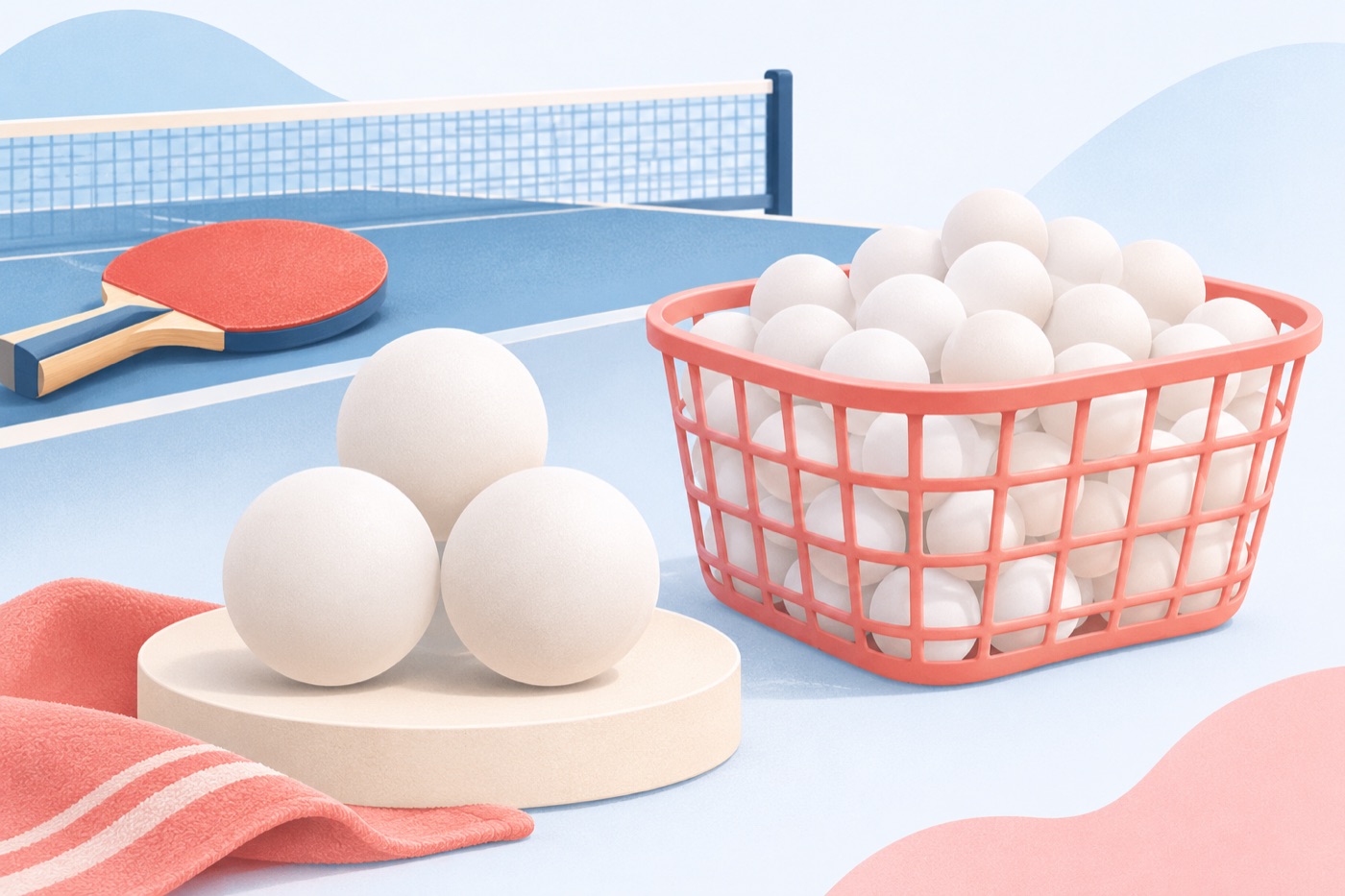
- Use lots of balls. Training balls in a 100-pack are perfect for robots.
Sample 30-minute robot session
- 5 minutes: forehand drives, slow and steady.
- 5 minutes: backhand drives.
- 5 minutes: forehand-backhand alternating with oscillation.
- 5 minutes: loop against backspin.
- 5 minutes: random placement for footwork.
- 5 minutes: free play at a faster speed.
FAQ
Is a ping pong robot worth it?
If you don’t have a regular practice partner and want to improve, absolutely.
Can a robot help beginners?
Yes! Just keep the speed and frequency low at first.
What balls should I use?
Use training balls in a big pack. Avoid cracked or dented balls, which can jam the robot.
My bottom line
If you want to really improve, a robot with oscillation and a catch net is worth the money. If you’re just starting or buying for a kid, a budget robot is a fun introduction. Still deciding? Read my Newgy Robo-Pong 2055 vs iPong V300 comparison.