The STIGA Pro Carbon+ is the best all-round paddle for improving players. Total beginner? Start with the Butterfly 401.
Quick picks
Short on time? Here are my favorites at a glance.
Side-by-side comparison
| STIGA Pro Carbon+ | 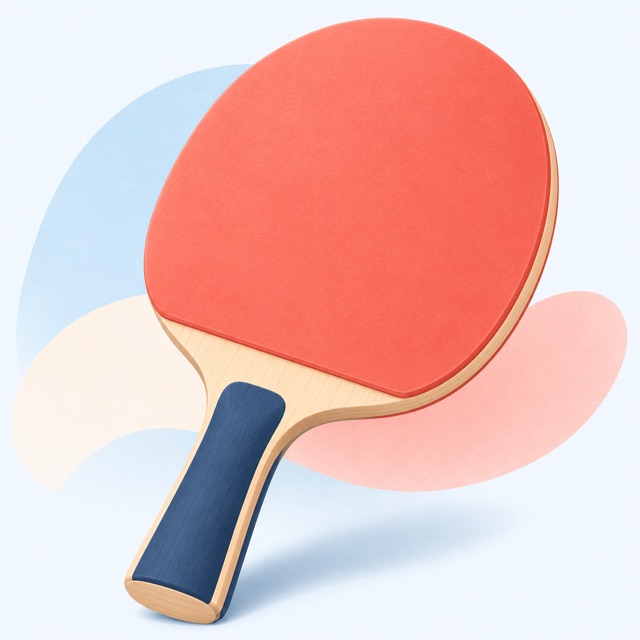 Butterfly 401 Table Tennis Racket | 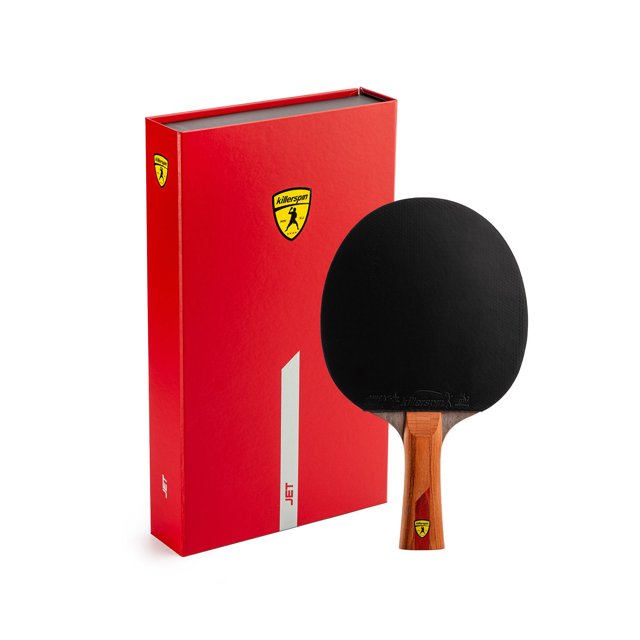 Killerspin JET800 Speed N1 | 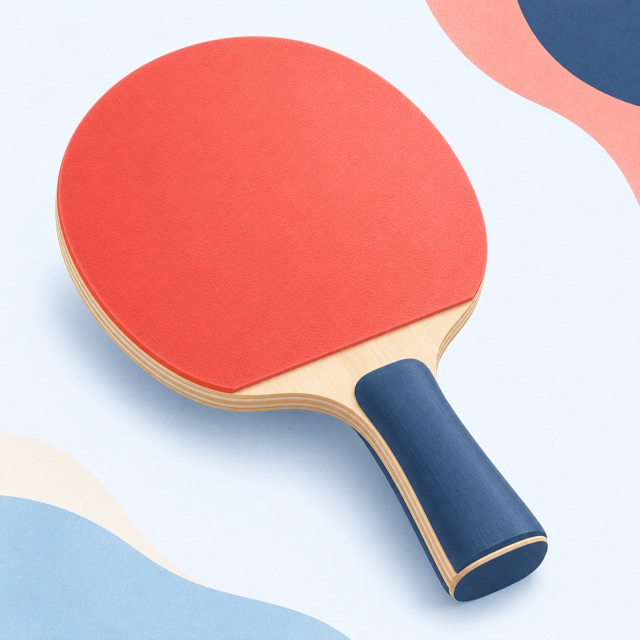 Palio Expert 3 | |
|---|---|---|---|---|
| Award | Best Overall | Best for Beginners | Best for Attacking Players | Best Value |
| Rating | 4.7 | 4.4 | 4.6 | 4.5 |
| Best for | Improving players who want speed and spin without a custom build | New players learning proper strokes | Players with solid strokes who love to loop | Budget-conscious players who want real rubber |
| Price | $$ | $ | $$$ | $ |
| Speed | 9.0 | 6.5 | 9.5 | 8.5 |
| Spin | 9.0 | 7.0 | 9.0 | 9.0 |
| Control | 8.5 | 9.0 | 8.0 | 8.5 |
| Value | 8.5 | 9.0 | 7.5 | 9.5 |
| Check price | Check price | Check price | Check price |
Scores are out of 10. The highlighted cell is the best in each row.
 #1
STIGA Pro Carbon+
Best for: Improving players who want speed and spin without a custom build · $$
One of the most popular pre-made paddles for a reason. The carbon layers add speed and the tournament-approved rubbers give real spin, so it's a big jump from a basement paddle without a big price.
What I love
- Fast with good spin
- ITTF-approved rubbers
- Great value for the performance
Keep in mind
- Can feel fast for total beginners
- Rubbers wear sooner than premium sheets
#2 Butterfly 401 Table Tennis Racket
Best for: New players learning proper strokes · $
Control is everything when you're learning, and the Butterfly 401 is forgiving and consistent. It's the paddle I'm happiest to see in a new student's hand.
What I love
- Very controllable
- Trusted brand
- Affordable
Keep in mind
- Not much speed for advanced play
#3 Killerspin JET800 Speed N1
Best for: Players with solid strokes who love to loop · $$$
A punchy, spinny paddle for players who already have consistent topspin and want more power behind it.
What I love
- Excellent speed and spin
- Quality rubbers
- Comes with a case
Keep in mind
- Too fast for beginners
- Pricier for a pre-made paddle
#4 Palio Expert 3
Best for: Budget-conscious players who want real rubber · $
A long-time favorite in the 'cheap but legit' category. Tacky Chinese-style rubbers give surprising spin for the price.
What I love
- Lots of spin for the money
- ITTF-approved rubber
- Good control
Keep in mind
- Tacky rubbers need care to stay grippy
As a table tennis coach, the question I hear most is: “Which paddle should I buy?” The honest answer is that the best paddle depends on your level and how you like to play. A paddle that’s too fast for you will make you worse, not better. Here’s how to choose the right one, plus my favorite picks.
Pre-assembled vs custom paddles
There are two ways to buy a paddle:
- Pre-assembled (ready-made) paddles come with the blade and rubbers already glued on. They’re affordable, easy and perfect for beginners and improving players. Every paddle on my list is pre-assembled.
- Custom paddles let you pick a blade and two rubbers separately. They give advanced players precise control over speed and spin, but they cost more and you need to know what you want.
My advice: start pre-assembled. Move to custom once you can loop consistently on both sides and know what you like.
The three things that matter: speed, spin and control
Most paddles list ratings for these three things. They’re useful for comparing paddles from the same brand, but don’t trust them too much between brands, because every company rates differently.
- Speed is how fast the ball comes off the paddle. More speed sounds great, but it makes the ball harder to keep on the table.
- Spin comes mostly from the rubber. Tacky, soft, grippy rubbers make spin easier.
- Control is how forgiving and predictable the paddle feels. Beginners need lots of it.
What’s a paddle made of?
The blade
The wooden part of the paddle is the blade. It’s usually made of thin layers (plies) of wood, sometimes with carbon added.
- All-wood blades feel softer and give more control and “dwell time” on the ball.
- Carbon blades are stiffer and faster, with a bigger sweet spot. They’re great for attackers but less forgiving for beginners.
The rubber
Each side has a rubber sheet over a sponge layer.
- Thicker sponges add speed and spin but reduce control.
- Thinner sponges give more control and a better feel for beginners.
- Red and black sides are required in official play, one color per side.
The handle
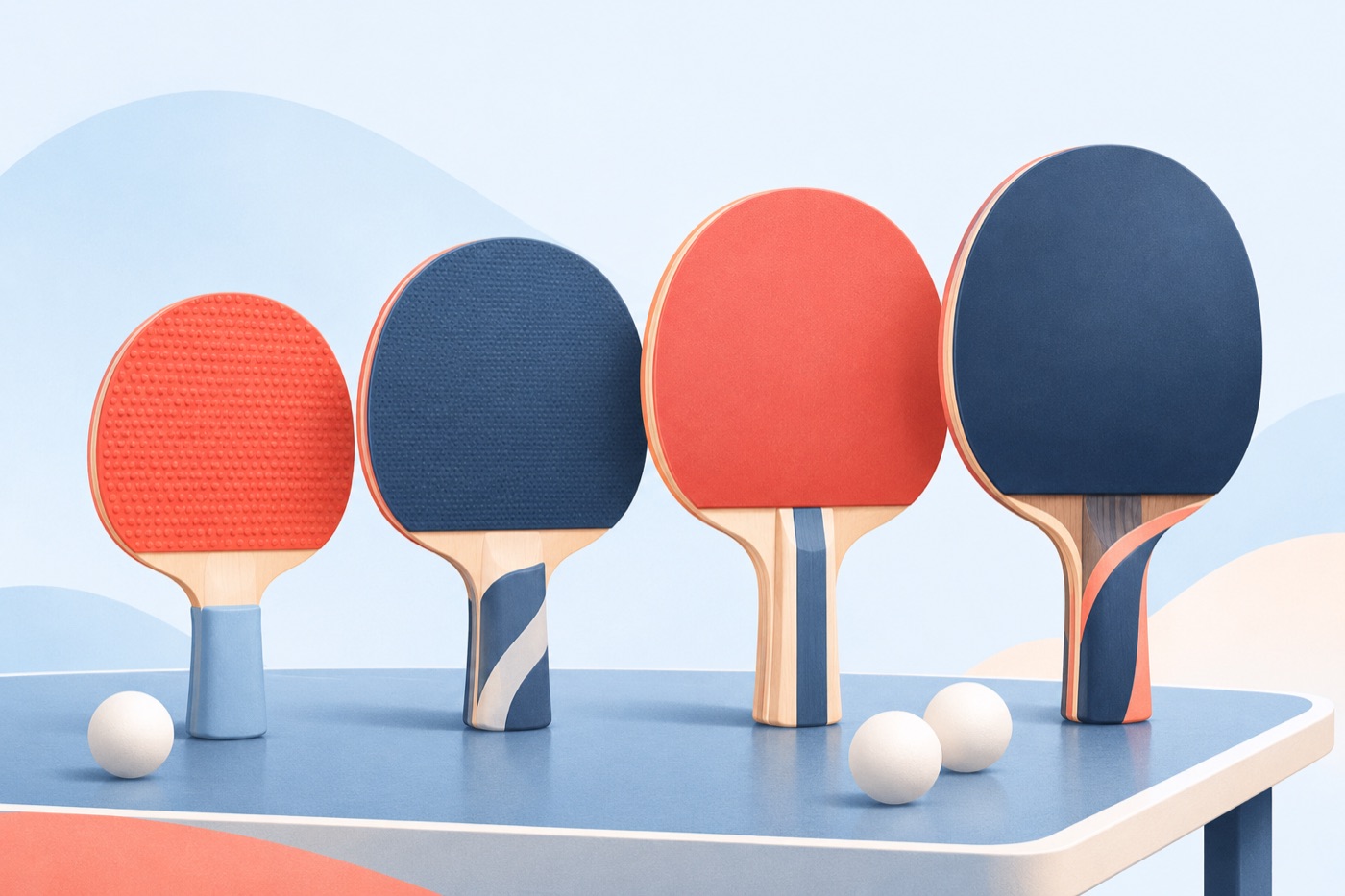
- Flared handles get wider at the bottom. They’re the most popular because they don’t slip.
- Straight handles make it easier to change your grip quickly.
- Anatomic handles bulge in the middle to fit your palm.
Which paddle for your level?
Beginners and casual players
Look for high control, moderate speed. You want a paddle that helps you keep the ball on the table while you learn proper strokes. Avoid “pro” paddles with huge speed ratings.
Improving and club players
You’re ready for more spin and speed. A carbon or fast all-wood pre-assembled paddle with tacky rubbers will help you start looping.
Advanced attackers
You’ll want maximum speed and spin, and you may be ready for a custom setup soon.
Grip styles
- Shakehand grip is the most common worldwide and the easiest to learn. It works with every paddle on this list.
- Penhold grip is popular in parts of Asia. If you use it, look for a paddle designed for penhold, which usually has a shorter handle.
How to take care of your paddle
- Keep it in a case. Dust and sunlight dry out rubber.
- Clean the rubber with a rubber cleaner or a damp cloth after you play.
- Don’t touch the rubber with your fingers. Skin oil kills the grip.
- Keep it out of heat. Never leave it in a hot car.
- Replace rubbers when they look shiny and lose grip. For regular players, that’s often every few months to a year.
Common mistakes when buying a paddle
- Buying too fast a paddle. It’s the number one mistake I see. Control builds skill. Speed comes later.
- Choosing by price alone. A cheap paddle with hard, slick rubber makes spin almost impossible.
- Ignoring the handle. If it doesn’t feel comfortable in your hand, you won’t play well with it.
FAQ
Is an expensive paddle worth it?
Only if it matches your level. A mid-range paddle with good rubber is the best value for most players.
How long does a paddle last?
The blade can last for years. The rubbers wear out faster, usually within months to a year for regular players.
Can I use any paddle in a tournament?
Official tournaments require approved rubbers in red and black. Most quality pre-assembled paddles meet this, but check the label.
My bottom line
Pick the paddle that matches your level today, not the one you hope to have in two years. If you’re unsure, take my 60-second paddle quiz or compare my two favorites in STIGA Pro Carbon+ vs Killerspin JET800.